Manga vs. Anime Adaptations: 5 Series Where the Source Material Hits Different
From panel composition and uncensored grit to subtle internal monologues, here are five legendary series where reading the manga provides an experience animation could never duplicate.
Manga Drifter Lead Editor
Manga Drifter Curator
The Adaptation Dilemma
Anime adaptations have reached unprecedented heights of popularity, with studios like MAPPA, Ufotable, and Wit Studio pushing television animation to cinema-quality heights. Yet, comic sequential art possesses unique artistic advantages that animation frequently flattens:
Here are five titles where the original manga remains an essential, distinct experience.
---
1. Berserk by Kentaro Miura
No anime adaptation—neither the 1997 classic nor the 2016 CGI series—can capture Kentaro Miura's legendary penmanship. The Renaissance armor textures, towering Apostle silhouettes, and visceral horrors of the Eclipse are masterworks of illustration that demand slow, reverent contemplation.
---
2. Tokyo Ghoul by Sui Ishida
While the anime's season 1 opening ("Unravel") became an iconic cultural anthem, the television series diverged dramatically from Ishida's narrative in season 2 (*Root A*) and heavily compressed the intricate psychological deterioration of Ken Kaneki. The manga is a nuanced psychological tragedy drenched in literary metaphors.
---
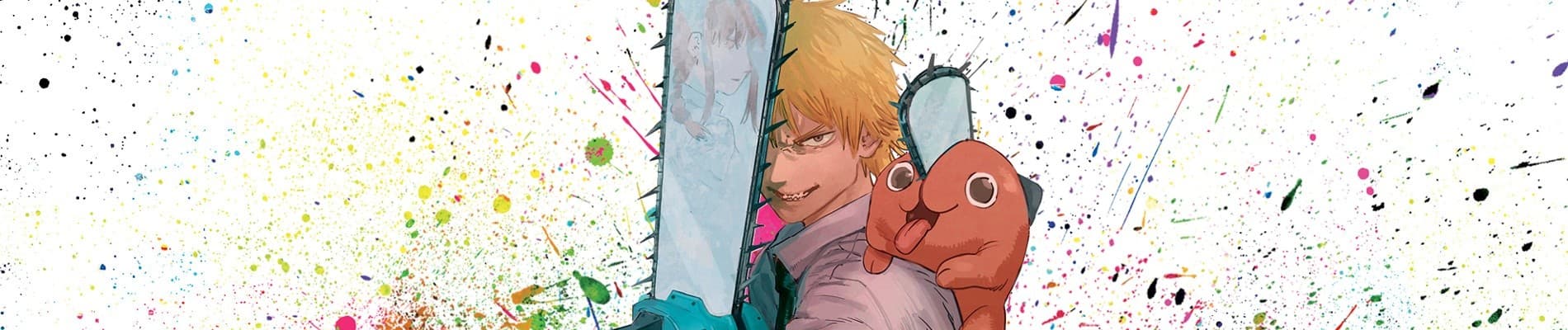
3. Chainsaw Man by Tatsuki Fujimoto
MAPPA's anime adaptation is technically astonishing, boasting cinematic lighting and rotoscoped character motion. However, Fujimoto's manga style is deliberately raw, punk-rock, and kinetic. His panel breaks, bizarre cinematic homages, and explosive black-ink humor carry a rebellious rhythm that feels uniquely raw on physical paper.
---
4. Vinland Saga by Makoto Yukimura
Wit Studio and MAPPA did miraculous work with Thorfinn's journey. However, Makoto Yukimura's historical research, Viking ship architecture, and pastoral landscapes in the "Farmland" and "Baltic Sea" arcs are some of the most meticulously researched illustrations in modern Japanese fiction.
---
The Verdict
Watching anime and reading manga are not mutually exclusive. The best approach is holistic: experience the dynamic music and voice acting in anime, then return to the mangaka's original pen strokes to experience the creator's unvarnished vision.
Manga Drifter Lead Editor
Super Administrator and Head Curator of Manga Drifter.